FinTech · Product Manager · Scrum Master
02Canvoy Payment
Canvoy Payment focused on utility and everyday payments. My role combined Product Manager and Scrum Master responsibilities, including MVP definition, requirements and delivery coordination. I managed the Jira structure used to organise planned work and connect the roadmap with sprint execution.
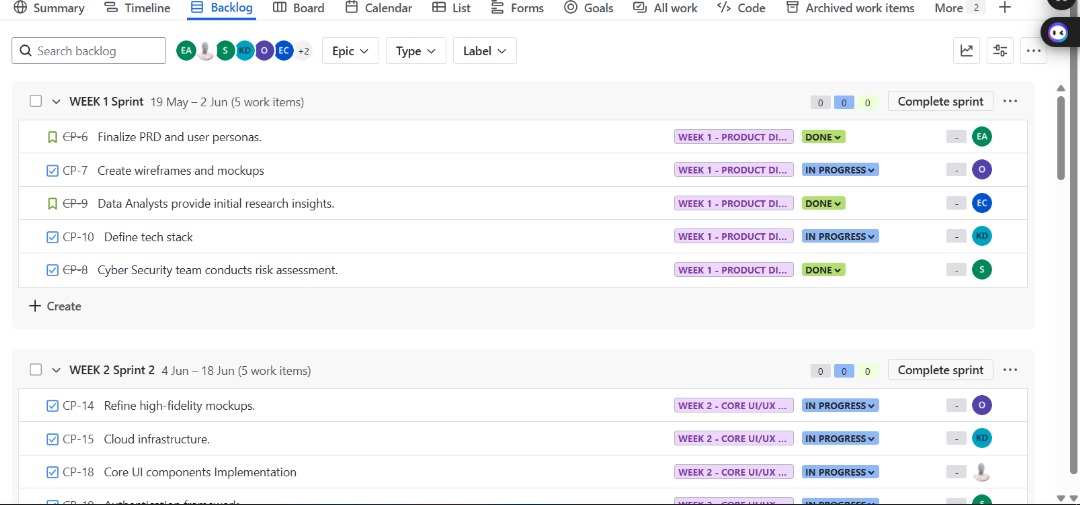 Payment experience
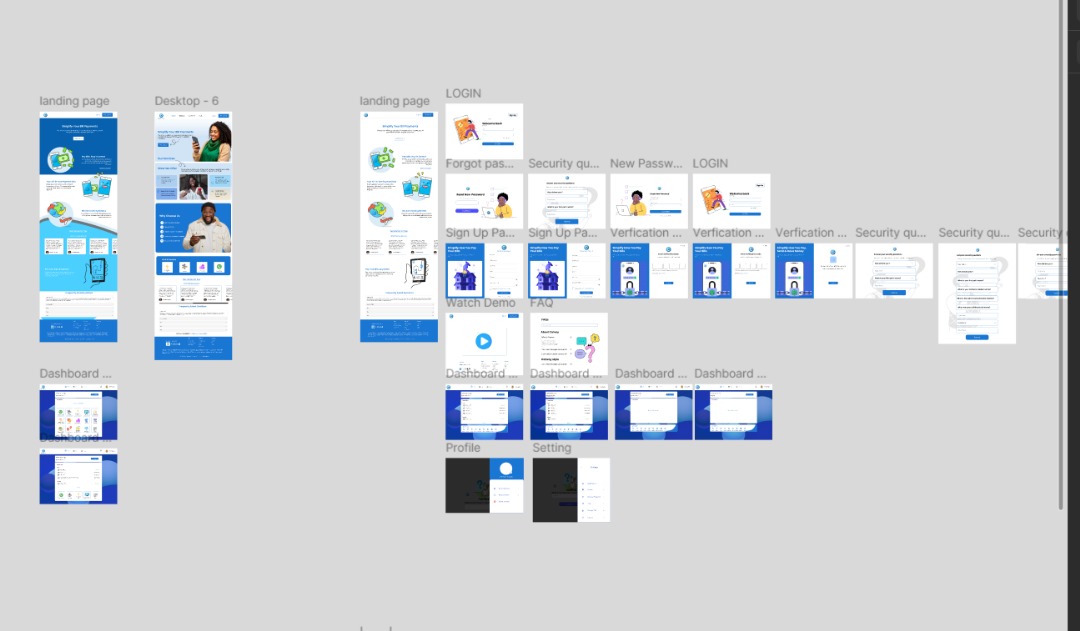 Customer journey
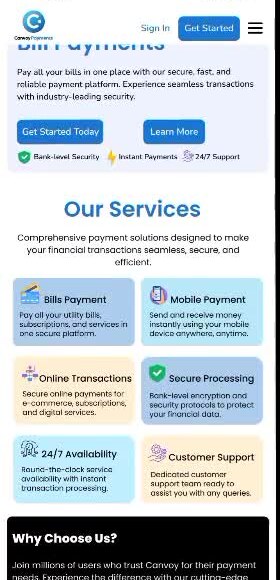 Product flow
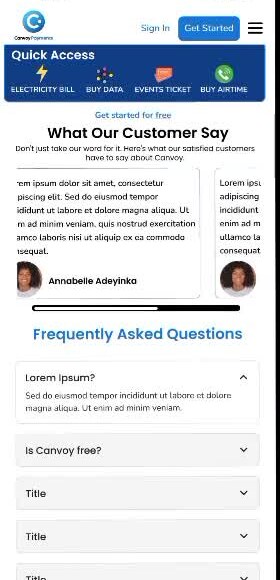 Transaction experience
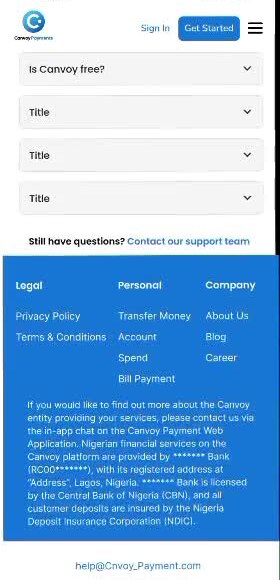 Product detail
Supporting product work
The product and its focus
Canvoy Payment was an early-stage FinTech product centred on utility and everyday payments. The MVP planning focused on making the core customer journey clear, from account access through payment steps and transaction feedback, while keeping future expansion separate from the initial scope.
The experience to plan for
The planned payment journey needed clear instructions, appropriate security checks and understandable transaction feedback. Account access, payment status and recovery paths were important considerations in defining what the MVP should cover.
My role and contribution
As Product Manager and Scrum Master, I worked on discovery, MVP definition, requirements, prioritisation and delivery coordination. I structured and managed the Jira workspace, organising planned work into epics, sprint backlogs, user stories, tasks and acceptance criteria. This describes the product and delivery work, not a claim that the MVP launched or achieved a particular result.
How the MVP was structured
The planned scope covered authentication, verification, account recovery, dashboards, payment flows, security questions, transaction feedback and profile management. These areas helped organise requirements and highlight where design, engineering, data and security considerations needed to be coordinated.
Delivery coordination
I supported sprint planning, stand-ups, refinement and progress reviews, using Jira to keep requirements and planned work organised. Security considerations and QA readiness were included in delivery discussions rather than treated only as final-stage checks.
Key product decision and trade-off
The planning prioritised a coherent, secure end-to-end payment journey over expanding the MVP with additional features. Authentication, verification, recovery, payment status and transaction feedback were treated as connected steps because gaps between them could leave customers uncertain about what happened to their money. The trade-off was to keep the initial scope focused and make QA, risk review and release readiness explicit checkpoints rather than assume the experience was ready.
Delivery artefacts and outcome assessment
The work was translated into an eight-week MVP roadmap and a Jira delivery structure that connected scope to sprint execution. These artefacts make the planned work and delivery approach reviewable; they should not be mistaken for evidence of a live launch or measured customer impact. To assess the product outcome, I would first confirm release status and establish baselines for payment completion, failed transactions, recovery success and support requests before setting targets.
What the work reinforced for me
The project strengthened my understanding of trust in payment products. Clear flows matter, but so do security, transaction visibility and timely feedback. Those are not supporting details in a financial product; they are part of the product experience itself.
Evidence and how success would be measured
The reviewable outputs are the Canvoy concept walkthrough, product visuals, eight-week MVP roadmap and Jira-based delivery structure. They show how the intended journey was translated into requirements, planned work and release-readiness activities; they do not establish that the MVP launched or that customer outcomes improved.
Before measuring impact: confirm release status, instrumentation and a reliable baseline. Core outcome: successful payment completion rate. Diagnostic measures: failed-transaction rate by failure reason, recovery success, time to resolve payment issues and payment-related support requests. Review these together so a higher completion rate does not hide increased failures or support burden.