Marketplace · Lead Product Manager · Scrum Master
01Siiqo
I worked on Siiqo as a marketplace where trust needed to be designed into the core journey, not added as a supporting feature. My focus was connecting buyer protection, seller tools and payments while keeping the wider community experience aligned with the marketplace’s purpose.
Project overview
A quick view of the challenge, my contribution, the key product decisions and the evidence available.
Build buyer trust
Help buyers assess seller credibility, pay with confidence and understand what happens if an order goes wrong.
Product leadership
Lead Product Manager and Scrum Master, connecting discovery, requirements, backlog priorities and sprint execution.
Trust before breadth
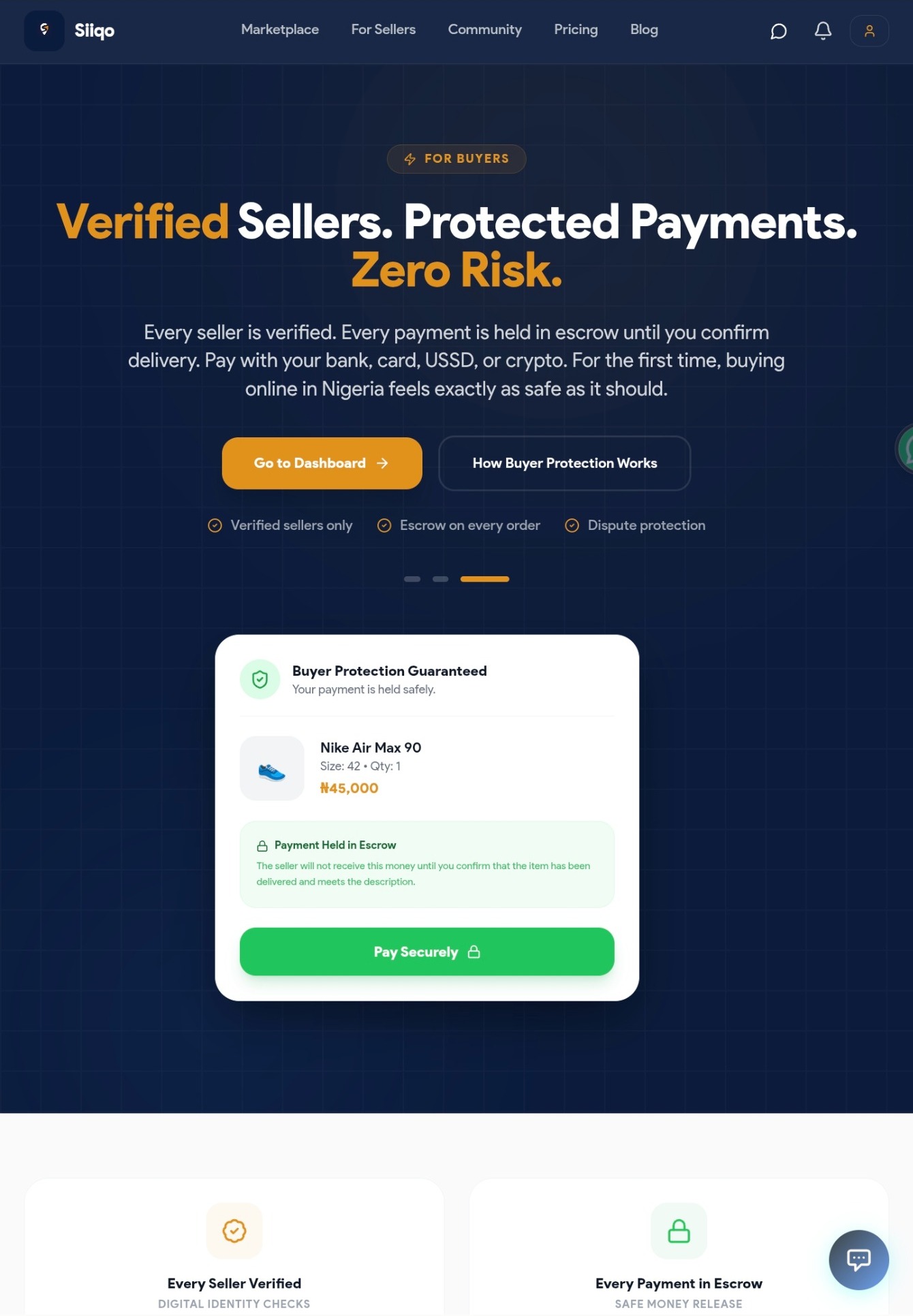
Prioritise seller verification, protected transactions, order handling and dispute paths before expanding engagement features.
Product and process
Review the live product experience, gallery and supporting product document. Business impact metrics remain to be validated.
Supporting product work
Where Siiqo started
I saw Siiqo as more than a marketplace listing products. The bigger opportunity was to build a dependable commerce environment where buyers could discover products and services, judge whether a seller was credible, pay with confidence and still feel protected after payment.
The trust problem we had to solve
Trust was the hard part. Buyers needed confidence that sellers were genuine, products matched expectations and payments would not leave them exposed. Sellers, meanwhile, needed visibility, practical storefront tools and a reliable way to manage orders. The product had to support both sides without weakening buyer protection.
What I owned
As Lead Product Manager and Scrum Master, I connected product direction to execution. I led discovery and journey definition, translated requirements into PRDs and user stories, set acceptance criteria, prioritised the backlog and coordinated sprint planning across design, engineering and QA. My contribution was not only defining what to build, but making the work clear enough for the team to deliver and validate.
How I shaped the product
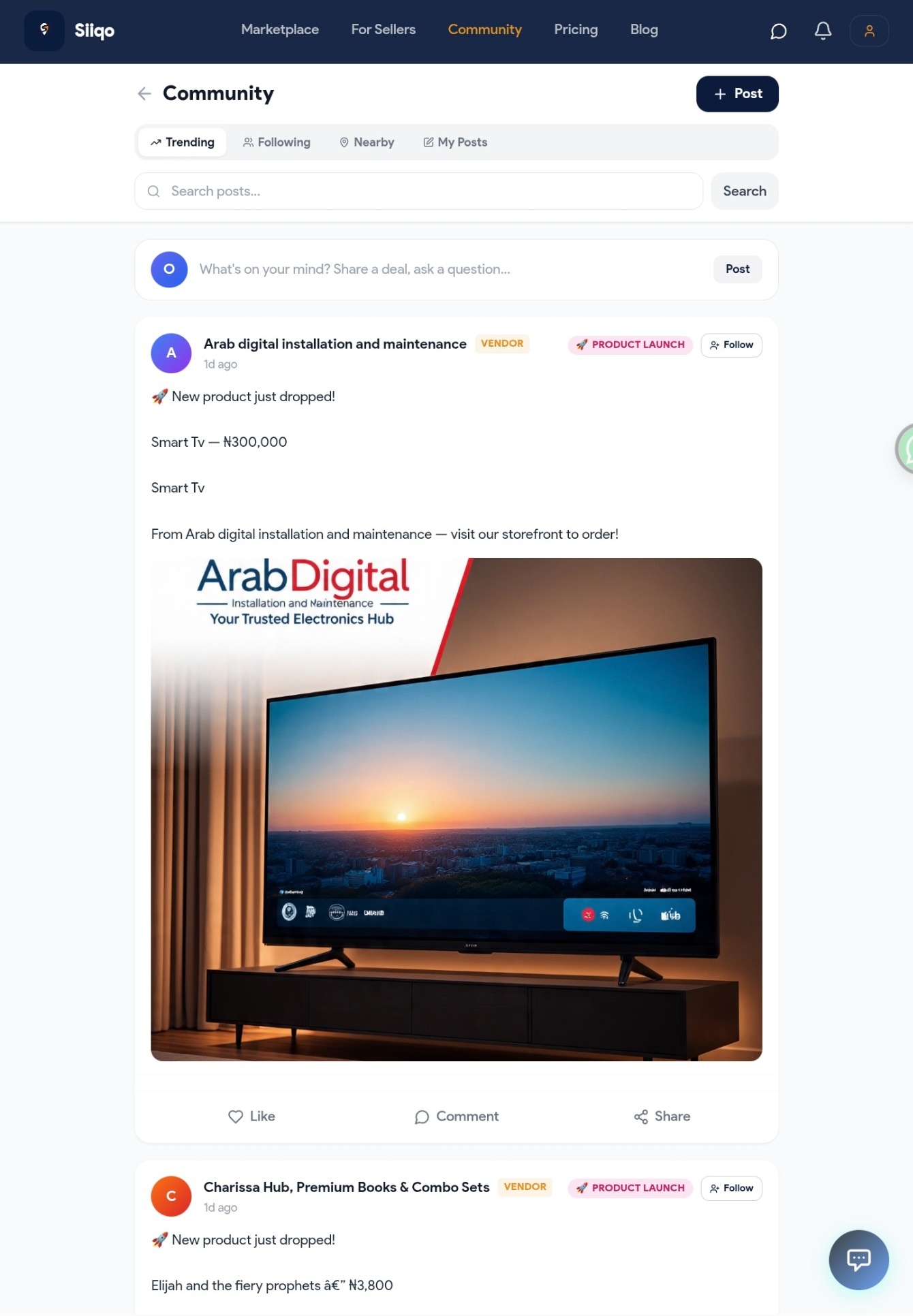
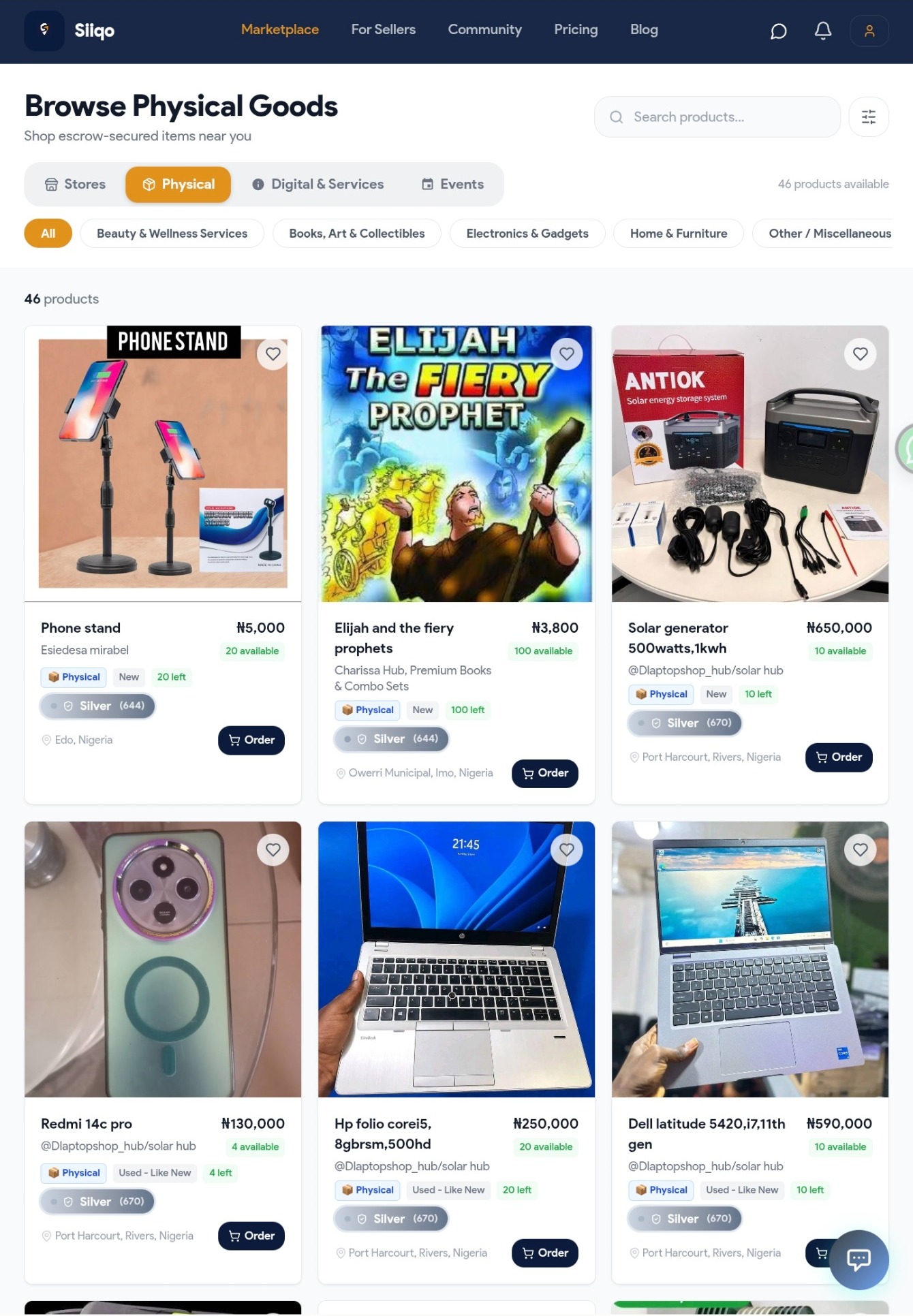
I centred the experience on trust first: verified sellers, escrow-secured orders and clear dispute paths. Around that foundation, we built vendor storefronts, product and service listings, order management, community content, referrals, rewards and chat. Each feature had to strengthen the marketplace rather than simply add more functionality.
How we delivered it
I broke the work into connected but independently testable modules, with clear sprint goals and acceptance criteria to reduce ambiguity. Feedback from vendors and buyers informed iteration, while regular product reviews and QA helped protect consistency across marketplace, community and payment journeys.
Trade-offs and prioritisation
The key trade-off was breadth versus confidence. The product could add community, referrals and rewards, but those features would matter less if buyers could not trust the seller or understand what happened after payment. I therefore prioritised seller credibility, protected transactions, order handling and dispute paths as the foundation, with engagement features built around that core. This was a sequencing decision: reduce uncertainty in the transaction journey before expanding the reasons to return.
How I would evaluate the outcome
To evaluate whether those decisions worked, I would track verified-seller coverage, product-view-to-order conversion, checkout completion, payment and dispute rates, dispute-resolution time, repeat purchases and active-vendor retention. These are proposed measures, not reported results. I would establish a baseline from reliable product analytics before setting targets or claiming impact.
What the project taught me
Siiqo progressed into a live multi-sided marketplace with a clear trust proposition. The project reinforced something I carry into other product work: marketplace growth is not only about adding inventory. It depends on credibility, safe transactions, seller support and an experience that makes those values visible to users.
Evidence of delivery and impact
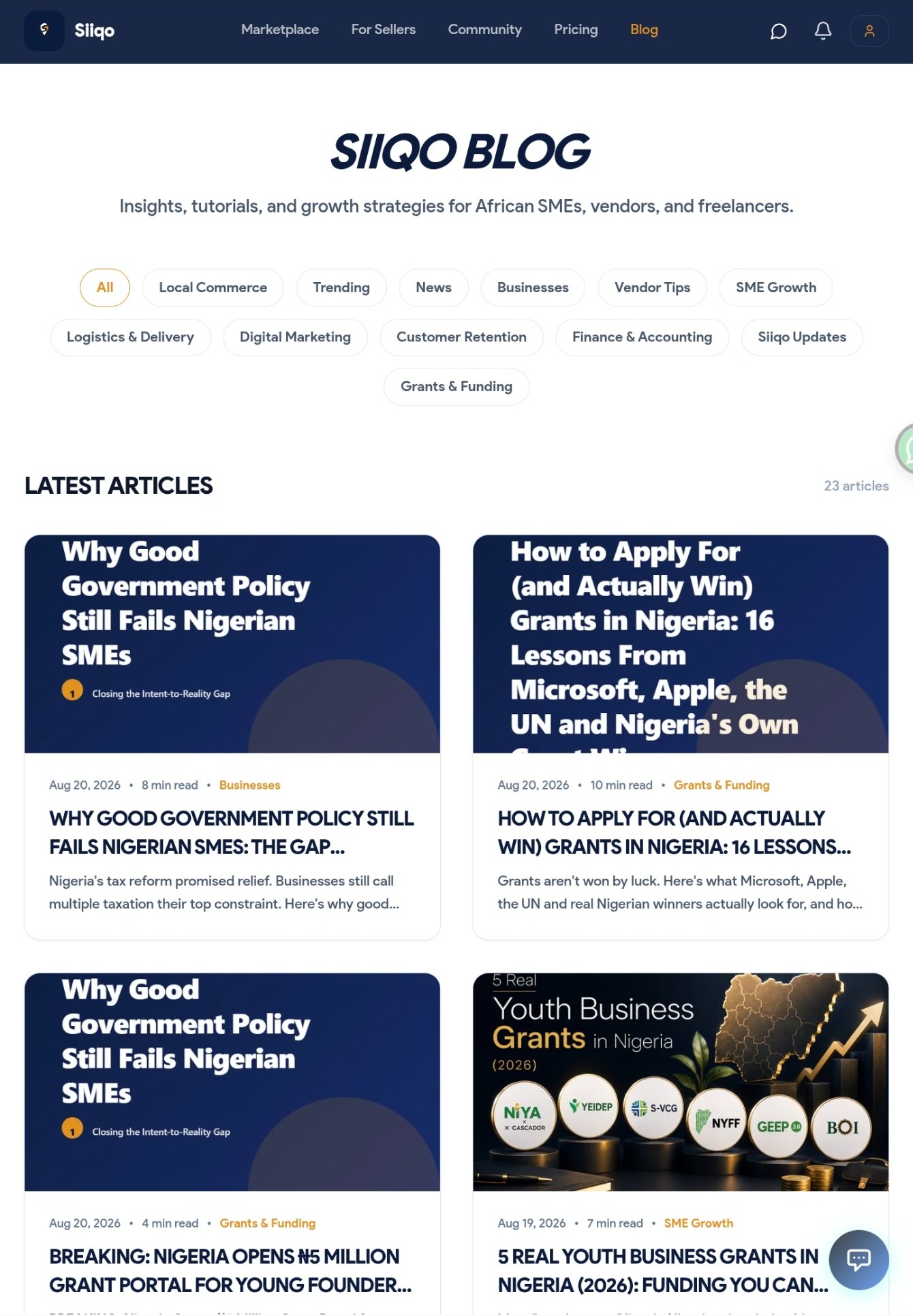
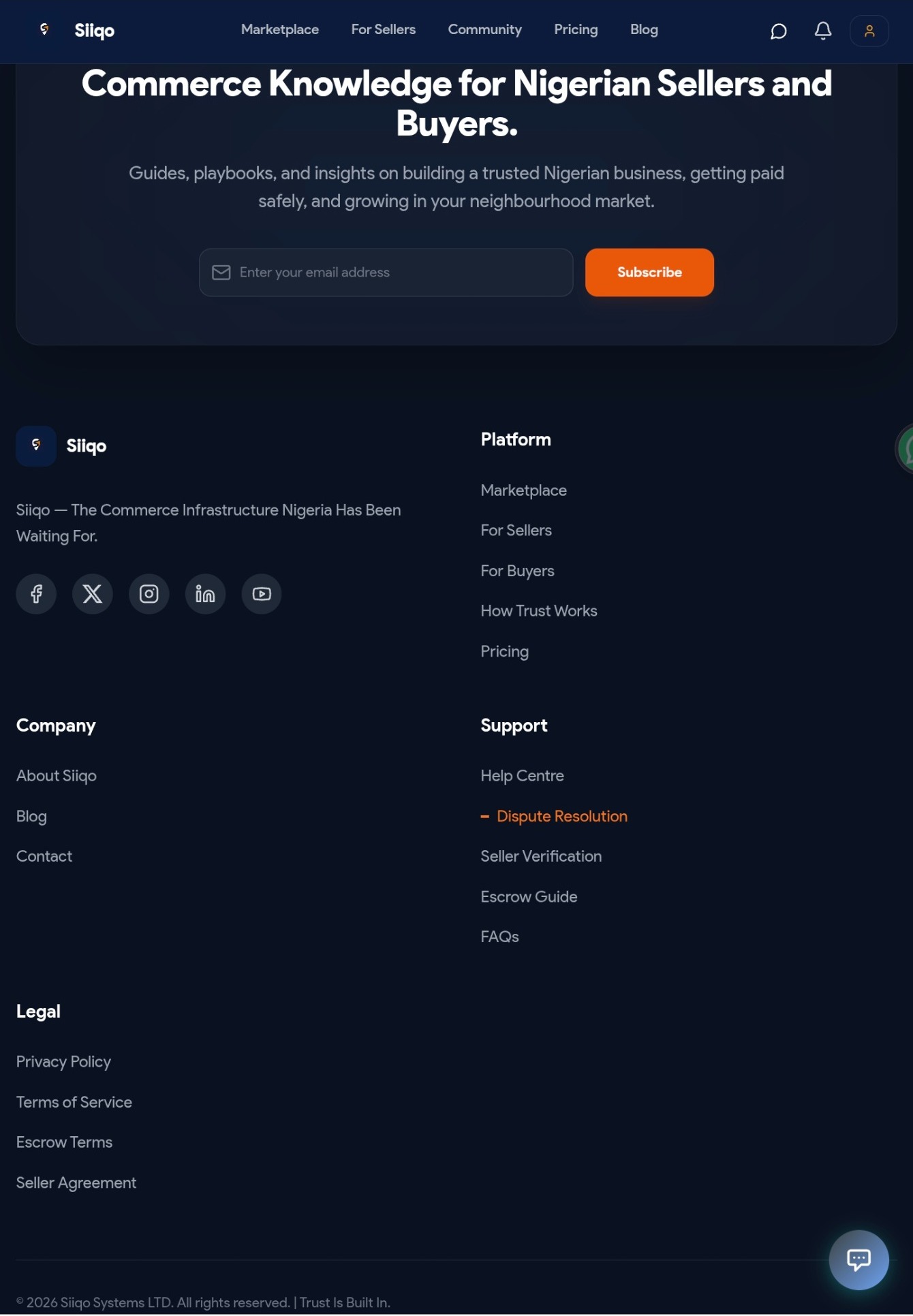
The evidence available for review includes the marketplace experience shown in the product gallery, the linked Siiqo Product Document, and the product scope described above: seller verification, escrow-oriented transactions, vendor storefronts, order handling and dispute paths. Together, these demonstrate the product direction and the work translated into a coherent marketplace experience. I do not have verified analytics in this case study to quantify conversion, repeat purchases or dispute reduction, so those remain impact measures to validate rather than results to claim.
Evidence to review: product screenshots and supporting product document. Impact to measure next: checkout completion, verified-seller coverage, dispute rate and resolution time, repeat purchase rate and active-vendor retention.